The short answer
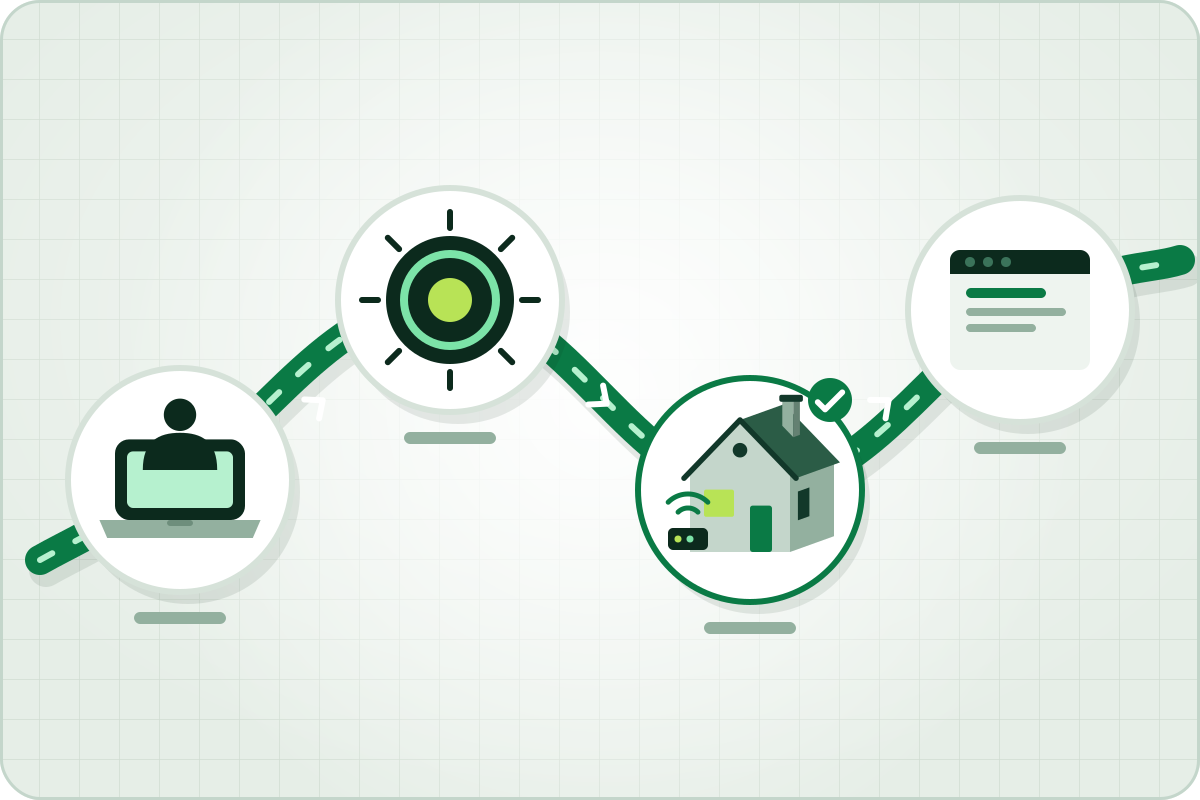
A proxy is a middleman: the website sees the proxy's IP instead of yours. A rotating proxy changes that IP automatically, usually on every request, by drawing from a pool. A rotating residential proxy draws from home connections, so each request looks like it comes from a different household.
What happens on every request
- Your tool connects to the gateway,
HOST:PORT, with a username and password. - The gateway reads what you asked for: country, city, session type.
- It picks an IP from the pool that matches and opens the connection to the site from it.
- The answer comes back the same way. On the next request, step 3 picks another IP.
Rotating proxy vs VPN vs Tor
- VPN: encrypts your whole device's traffic through one server IP, usually shared by many users. One IP at a time.
- Tor: routes traffic through volunteer relays; slow, and its exit IPs are public and widely blocked.
- Rotating proxy: carries one tool's traffic, a new IP per request, from a paid pool you can target by country.
When to use one
When a site limits requests per IP, shows different content by location, or treats servers differently: scraping, price monitoring, rank tracking, ad checks. When a job needs a session, use a sticky one. Ready to try? See rotating proxies.