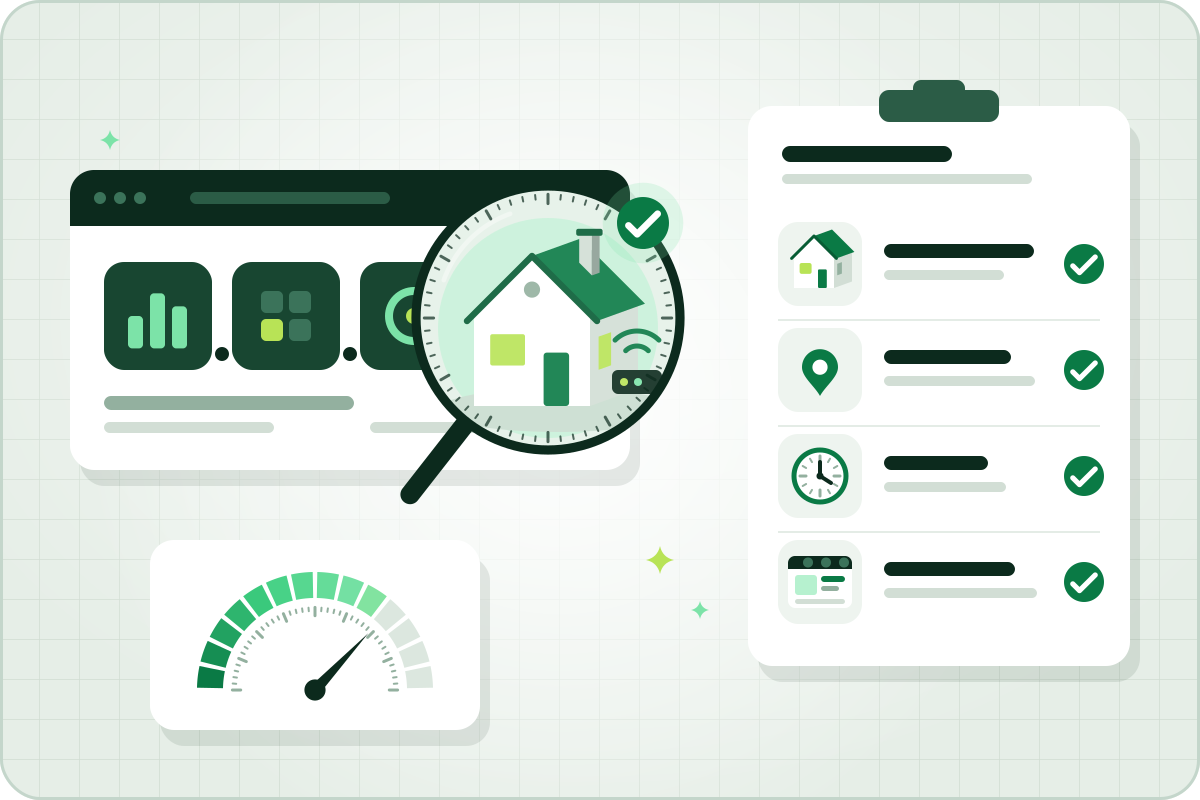
How residential proxy detection works
- Network type: every IP belongs to an ASN, and a residential proxy database or IP intelligence service says whether it is a hosting company or a home provider.
- Reputation: lists of IPs seen in abuse or in known proxy ranges.
- Behaviour: request rate, headers, cookies and the browser's fingerprint.
- Consistency: a time zone, a language and an IP location that do not match.
What a residential proxy detector or detection API sees
A residential proxy detector, or a residential proxy detection API sold to websites, scores an IP from those signals. A home IP passes the network test by nature; reputation and behaviour decide the rest. No provider can promise an IP that no detector will ever flag, and you should distrust anyone who does.
What is anonymous proxy detected?
"Anonymous proxy detected" is a message some sites show when your IP is on a list of known proxies, usually datacenter ranges. Home IPs trigger it far less often. But a proxy hides your IP, not your browser: cookies and fingerprint still say who you are.
Run your own residential proxy IP check
curl -x http://USER:PASS@HOST:PORT https://ipinfo.io/jsonLook at four things: the country and city, the org field (a home provider, not a hosting company), the time zone, and whether your real target accepts the request. That residential proxy IP check takes seconds. A residential proxy network check across a few hundred requests tells you more: count successes, not promises.
Residential proxy speed
A residential exit adds a hop through a home connection, so residential proxy speed is lower than a datacenter line's, often by a few hundred milliseconds per request. For residential proxy high speed work, keep connections alive, run requests in parallel and block images. If raw speed matters more than passing filters, use datacenter.